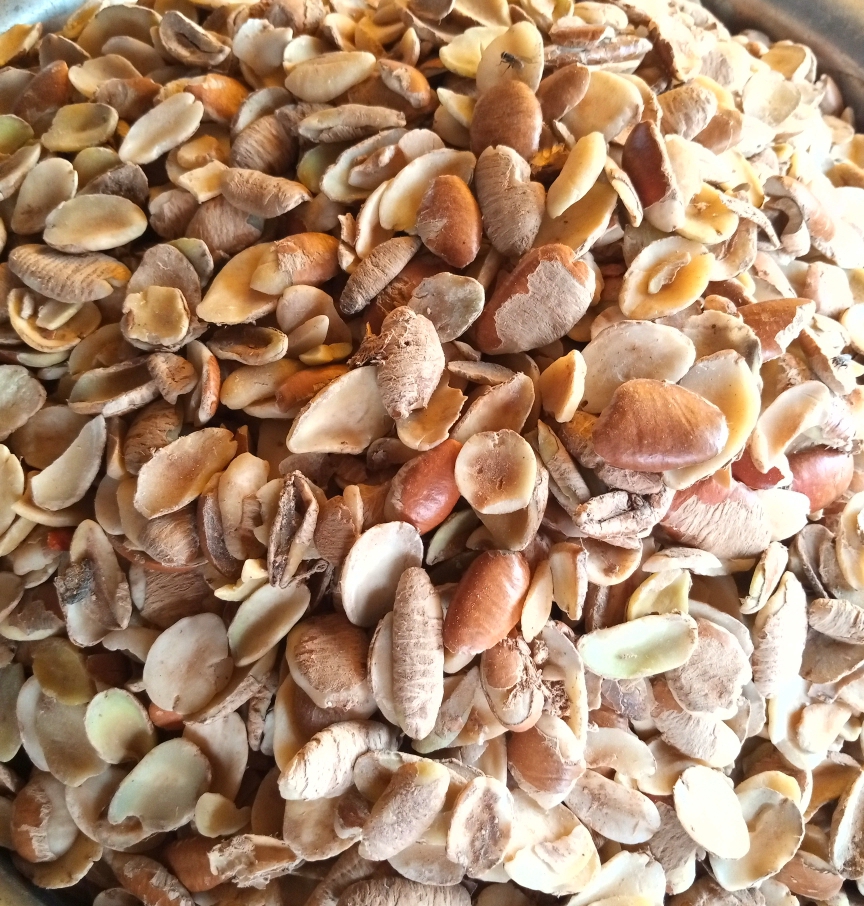
Ogbonno seeds, also known as African wild mango seeds, are a staple ingredient in many Nigerian homes. Valued for their unique ability to thicken soups, ogbonno has earned a permanent place in traditional cuisine, especially in southern and central parts of the country.


A Soup That Brings Comfort
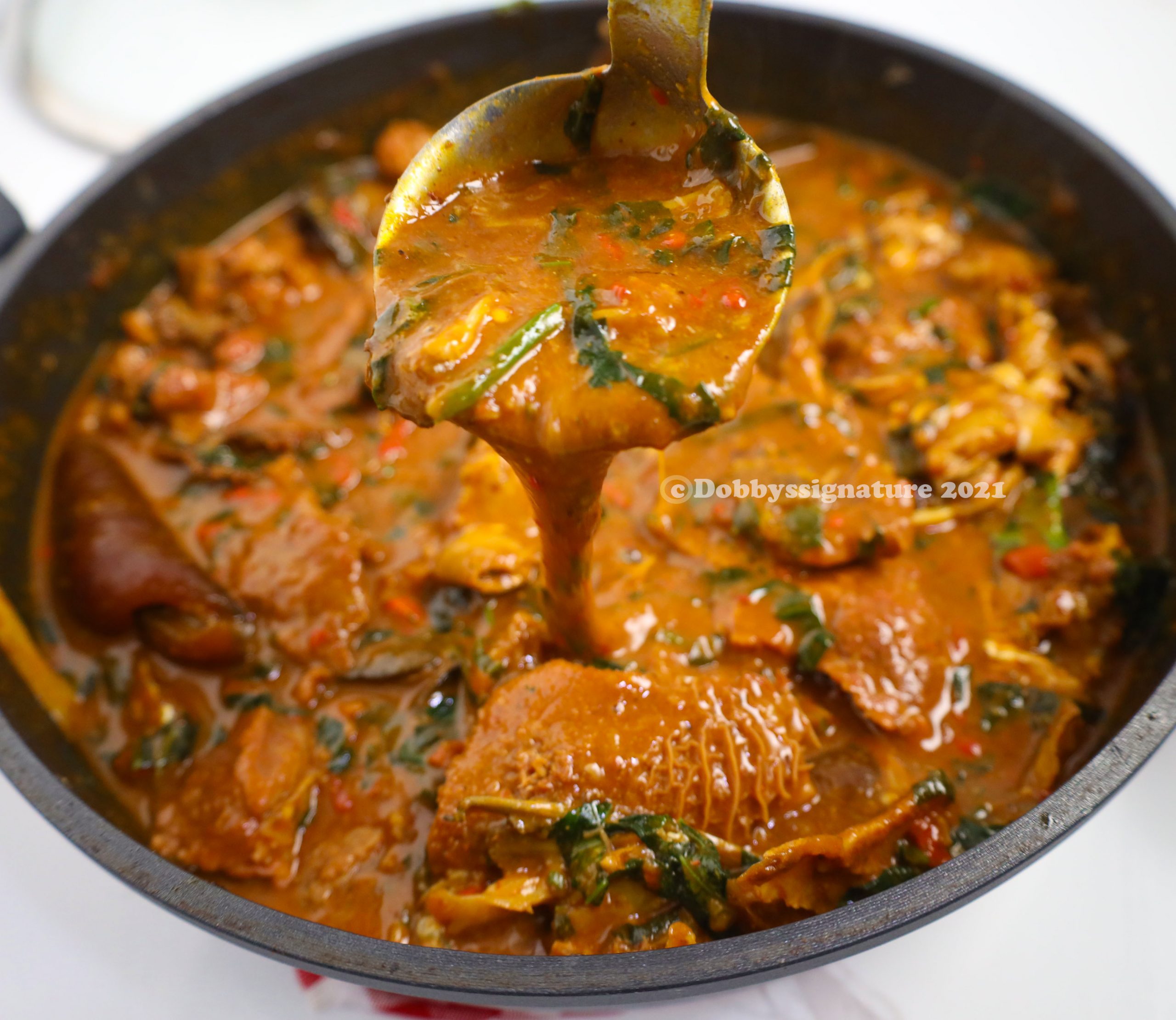
Ogbonno soup is loved for its rich, draw-like texture and deep, satisfying taste. Often prepared with palm oil, assorted meats, stockfish, and local spices, it is more than a meal — it is comfort food. Served with swallow foods like pounded yam, eba, or fufu, ogbonno soup represents warmth, nourishment, and home.
Cultural and Regional Significance
Across Nigeria, ogbonno goes by different names and methods of preparation, but its cultural importance remains consistent. From family gatherings to everyday meals, the soup connects generations and preserves culinary traditions passed down over time.
Nutritional and Economic Value
Beyond taste, ogbonno seeds are rich in dietary fiber, healthy fats, and essential nutrients that support digestion and overall health. Economically, they play an important role in local markets, providing income for farmers, traders, and processors within the agricultural value chain.
From Forest to Market
Ogbonno seeds are harvested from the African wild mango tree, dried, cracked, and ground before reaching the market. This labor-intensive process contributes to their value and highlights the skill and effort involved in bringing this indigenous product to consumers.
A Staple That Endures
In a rapidly changing food landscape, ogbonno seeds have remained relevant because they meet both cultural and practical needs. Their ability to transform simple ingredients into a rich, satisfying dish ensures that ogbonno will continue to be a cherished part of Nigerian cuisine for generations to come.
Comments
Post a Comment